Aspects in Your Zodiacal Configuration
How the Parts of Your Chart Speak to Each Other
In Zodiacology, aspects describe relationships between planets and key points in the natal chart. They help show how different parts of the chart may interact, support, challenge, intensify, or modify one another. If planets show what is active, signs show how it may be expressed, and houses show where it may appear, aspects help show how those factors are connected.
Aspects show how chart factors connect
An aspect is not interpreted by itself. Its meaning depends on the planets involved, the signs and houses connected to them, and the larger pattern of Your Zodiacal Configuration.
- An aspect shows connection
- A planet shows what is active
- A sign shows how it may express
- A house shows an area of life
What Aspects Represent
Aspects describe symbolic relationships within the natal chart. They are formed by angular distances between planets or important chart points, and they help show how different parts of the chart may interact. Aspects between planets can usually be calculated without an exact birth time, but aspects involving time-sensitive chart points such as the Ascendant or Midheaven depend on accurate birth time and birth location.
Some aspects may suggest ease, flow, support, or natural expression. Others may suggest tension, challenge, pressure, adjustment, or growth. In Zodiacology, aspects are not treated as fixed judgments. They are read as part of the larger pattern, helping show how the many parts of Your Zodiacal Configuration may work together.
The Major Aspects as Chart Relationships
Each aspect describes a type of relationship between chart factors. The meaning of an aspect depends on the planets involved, the signs and houses connected to them, and how the aspect fits into the larger chart pattern.
The major aspects below provide a starting point for understanding how connection, flow, tension, awareness, and adjustment may appear within Your Zodiacal Configuration.
The degree shown for each aspect describes its basic angular relationship between chart factors. In an actual chart, an aspect does not have to be mathematically exact to be considered active. The difference between the exact aspect angle and the planets’ actual separation is called the orb. The planets involved, their signs and houses, and the size of the orb all help shape how the aspect is interpreted.
Major Aspects

Conjunction (0°)
ASPECT TYPE: MERGING AND INTENSIFICATION
A conjunction brings two chart factors into close angular relationship. In Your Zodiacal Configuration, it may suggest that their functions are blended, intensified, or expressed together. A conjunction is not inherently supportive or challenging; its meaning depends on the factors involved and how the aspect fits within the larger chart pattern.

Sextile (60°)
ASPECT TYPE: OPPORTUNITY AND COOPERATION
A sextile suggests a supportive relationship between chart factors. In Your Zodiacal Configuration, it may point to areas where cooperation, opportunity, skill, or constructive expression can develop through awareness and participation. Its meaning depends on the factors involved and how the aspect fits within the larger chart pattern.

Square (90°)
ASPECT TYPE: TENSION AND GROWTH
A square suggests tension or friction between chart factors. In Your Zodiacal Configuration, it may point to areas where pressure, challenge, or conflicting tendencies call for adjustment, effort, or constructive response. Its meaning depends on the factors involved and how the aspect fits within the larger chart pattern.
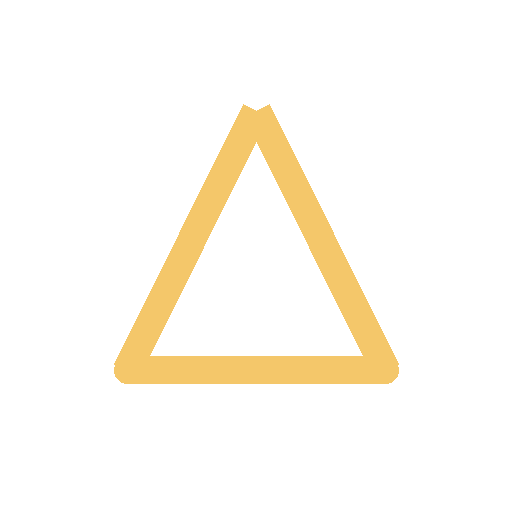
Trine (120°)
ASPECT TYPE: FLOW AND NATURAL EXPRESSION
A trine suggests ease or flow between chart factors. In Your Zodiacal Configuration, a trine may point to natural expression, talent, confidence, or qualities that may operate with less friction. Its meaning depends on the planets involved and how the aspect fits within the larger chart pattern.

Opposition (180°)
ASPECT TYPE: POLARITY AND AWARENESS
An opposition suggests polarity or tension between chart factors positioned across from one another. In Your Zodiacal Configuration, it may point to areas where contrasting needs, perspectives, or tendencies call for awareness, balance, and integration. Its meaning depends on the factors involved and how the aspect fits within the larger chart pattern.
Common Minor Aspects
Minor aspects add nuance to chart interpretation. They are usually read after the major aspects and are best understood as supporting details within the larger chart pattern.

Semi-Sextile (30°)
ASPECT TYPE: SUBTLE CONNECTION AND ADJUSTMENT
A semi-sextile suggests a subtle connection between chart factors. In Your Zodiacal Configuration, it may point to areas where small adjustments, emerging awareness, or gradual coordination are needed. Its meaning depends on the factors involved and how the aspect fits within the larger chart pattern.

Semi-Square (45°)
ASPECT TYPE: MINOR FRICTION AND MOTIVATION
A semi-square suggests mild tension or friction between chart factors. In Your Zodiacal Configuration, it may point to recurring pressure, small frustrations, or inner friction that can encourage adjustment and change over time. Its meaning depends on the factors involved and how the aspect fits within the larger chart pattern.

Quintile (72°)
ASPECT TYPE: CREATIVE PATTERNING
A quintile suggests a creative or specialized relationship between chart factors. In Your Zodiacal Configuration, it may point to areas involving talent, originality, pattern recognition, or a distinctive way of combining different qualities. Its meaning depends on the factors involved and how the aspect fits within the larger chart pattern.

Sesquisquare (135°)
ASPECT TYPE: PERSISTENT TENSION AND REFINEMENT
A sesquisquare suggests recurring tension or pressure between chart factors. In Your Zodiacal Configuration, it may point to areas where frustration, resistance, or repeated challenges encourage adjustment, refinement, and greater awareness over time. Its meaning depends on the factors involved and how the aspect fits within the larger chart pattern.

Biquintile (144°)
ASPECT TYPE: DEVELOPED CREATIVITY AND EXPRESSION
A biquintile suggests a creative or specialized relationship between chart factors. In Your Zodiacal Configuration, it may point to refined talent, imaginative expression, developed skill, or a distinctive way of combining different qualities. Its meaning depends on the factors involved and how the aspect fits within the larger chart pattern.
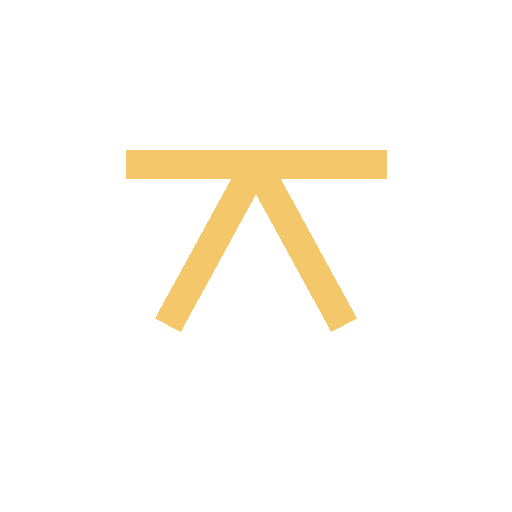
Quincunx / Inconjunct (150°)
ASPECT TYPE: ADJUSTMENT AND INTEGRATION
A quincunx, also called an inconjunct, suggests an awkward or mismatched relationship between chart factors. In Your Zodiacal Configuration, it may point to areas where adjustment, reorganization, or repeated fine-tuning is needed before the factors work together more comfortably. Its meaning depends on the factors involved and how the aspect fits within the larger chart pattern.